

Relationships offer more joy, connection, support, and meaning than any other experience in life. The early phases of relationships can be rejuvenating and exciting. For some, getting to know new a new person on a deep level can make them feel connected, seen, and genuinely happy. The best part of the relationship is when you get to peel back more layers of a person, connecting through shared experiences and growing through sharing of diverse experiences.
However, for others, entering close relationships with expectations of emotional closeness can cause doubt and anxiety. Sharing of personal information may feel less comfortable and speaking about emotions may feel foreign.
Still, most of us yearn for close and healthy relationships and know that close bonds make our lives better, even if building those bonds is unnatural and scary. To experience relationship anxiety is very common, even if you crave closeness with romantic partners.
Relationship and anxiety therapy can be an effective way to deal with relationship anxiety. This post is going to cover relationship anxiety therapy so that you can identify whether it could benefit you and what you can expect.
Therapy For Relationship Anxiety
The hardest part about therapy is knowing how to begin. There are hundreds of counseling methods under the sun based on different goals and different theories of how people change.
To help cut through some of the information overload and potential confusion, I am going to cover relationship anxiety, how therapy can help manage relationship anxiety, and what to expect throughout counseling. Overcoming relationship anxiety is possible!
How Anxiety Affects Relationships
Anxiety is an emotional state that offshoots from the core emotion of fear. Like all emotions, it starts in the limbic part of the brain and is communicated to you via signals through the body. Here are some common signs:
- Pit, churning, or uneasiness in the stomach
- Increased heart beat
- Muscle tension
- Sweating or heat flashes
- Choppy, rapid breathing
- Light headedness
All of these physiological symptoms are your body’s way of trying to cue you into something that it thinks might be dangerous for you. As such, many people experience anxiety as dread, overwhelm, discomfort, and general unease.
Anxiety can show up in relationships in many different ways:
- Questioning if others actually like you
- Obsessing over past interactions and thinking others are angry with you
- Uncertain if you are worthy of love and partnership
- Discomfort when relationships develop past a certain amount of time
- Jealousy or deeply fearing rejection
- Avoidance of difficult conversations
While anxiety is experienced within yourself, interactions you have with others may bring these emotions to the surface. Additionally, feelings of anxiety may impact how close and strong you are able to form your relationships.
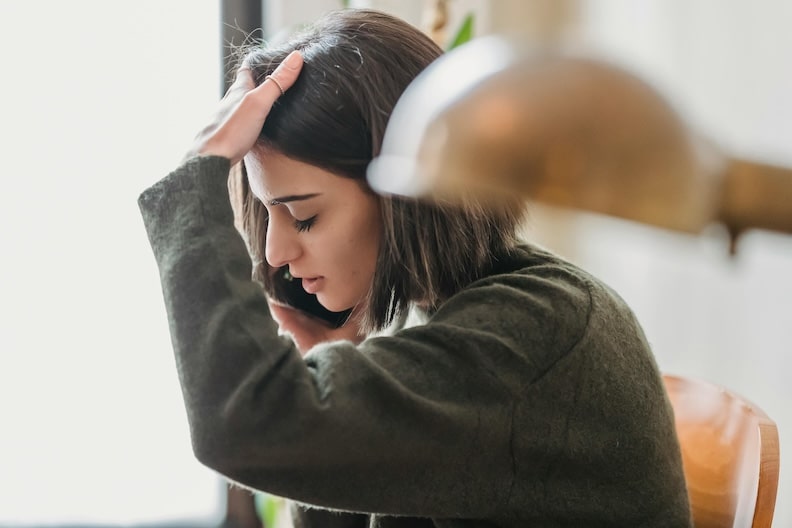
What Is Relationship Anxiety
Relationship anxiety is the feeling of worry or fear about close relationships. Surprisingly, this includes both avoidant and anxious attachment styles. Some people notice these feelings early in relationships, while others feel this way when moving toward long-term commitments.
The feelings of relationship anxiety usually originate from past experiences in your family of origin (i.e. attachment style) or past experiences in close relationships.
For instance, here are some signs of relationship anxiety. First, if you have never had relationships where a romantic partners knew you very deeply, it may be scary to think about showing all of the parts of yourself. You may wonder why someone would want to know about your deepest secrets and fears, and how you would even begin to share them.
Similarly, if you have been hurt in the past, a part of you might have learned not to trust others. It would make sense that you would feel anxious or uncomfortable when someone tries to get close to you, if the last time you let someone in you got hurt.
However, it’s important to know that feeling relationship anxiety does not necessarily mean that there is something wrong with the relationship. You should always follow your instincts, and you’ll probably feel anxious in relationships where you know something is not right. Still, other times your anxiety may be misplaced and a response to a situation from the past, not the situation of the present.

How To Deal With Relationship Anxiety
Learn Your Attachment Style
Attachment styles are the strategies we learn when we are young children to deal with our own emotions and stay connected to others. Experiences in intimate and romantic relationships can also adjust the level of comfort we will getting close to others in the future.
If left unconscious, we continue to play out these same attachment styles over and over again in every relationship we lave. Learning your attachment style will give you insight into your own patterns in relationships and help you clarify whether anxiety you feel is something you need to pay attention to. You’ll learn about styles and answer questions like can an anxious and avoidant relationship work.
Self-Awareness
Your attachment style will help you understand your early experiences and the way your nervous system got programmed to deal with emotions. In addition, pay attention to the experiences you have in current relationships to build self awareness.
Explore moments when you feel upset. Notice what triggered you. Consider how you feel, and identify how you respond to others when feeling triggered. Gathering data to build self awareness on your current patterns can in itself reduce anxiety while helping you evaluate where the anxiety comes from.
Self Compassion
Many of us hold toxic beliefs about our selves and our worth that are learned from societal messages. We may crave intentional partnership, but still wonder whether we are truly worthy and deserving.
Notice the way you speak to yourself and the thoughts you have toward yourself. If part of you does not believe you are worthy of love, it’s likely that you will feel anxious when love comes your way. Working on building secure attachment with yourself and increasing self compassion can help challenge negative thoughts that get in the way of healthy relationships.
Address Past Trauma
A history of trauma, especially relational trauma, is sure to create challenges when it comes to secure bonding as an adult. If you have been abused or neglected, or even left feeling abandoned or rejected, you may live with lingering fears and mistrust in others.
Healing past trauma, as well as other mental health conditions as applicable, is crucial to your individual healing and wellness. Likewise, until past trauma is processed and dealt with, its impacts will continue to surface and confuse your present day relationships.
Communicate Openly
If you let your anxiety and fear fester inside of you, they will continue to build. As they build, you will continue to see interactions through the lens of insecurity which will lead to feeling more and more anxious. Ignoring anxiety will only make it bigger.
Instead, define a culture of communicating openly from the start of a relationship. This does not mean that you need to over-share or give more of yourself than you are comfortable with. Yet, if an experience makes you feel anxious or uneasy, let the other person know. Talk about what is happening for you. Labeling your experience will reduce the intensity of the anxiety while giving you a chance to have a healing conversation with your partner.
Attend Therapy
Individual therapy for dating and relationship anxiety will help you untangle your own emotions, patterns, and thoughts that create loops of anxiety in relationships. A therapist will support you in piecing together the elements of your experience so that you can see more clearly the present relationship in front of you.
Additionally, seeking professional support is a chance to have a close relationship with a secure, trusted person. As much as you learn in therapy, your nervous system will also have the experience of forming a close bond with another person. This experience can help you learn and mirror how to create closeness outside of the therapy room.
If you are feeling comfortable working together in therapy, couples therapy can support you in practicing new relationship patterns as a unit.
Learn About Relationships
Love Sense by Dr. Sue Johnson is one of my favorite books about love and relationships. The book both cites modern research and provides practical tips to create relationships built to last.
Importantly, she also busts a lot of societal myths about what it means to have reliable human connection.

What Happens In A Relationship Anxiety Therapy
If you are experiencing relationship anxiety, here is more detail on what you can expect from sessions with a mental health professional. This perspective draws primarily from the framework of the Emotionally Focused Therapy model of treatment.
Initial Assessment
The early sessions of therapy will involve building a relationship with your therapist and providing relevant assessment information.
The largest portion of this assessment is your attachment history. In order to understand the way you learned to deal with discomfort or the threat of loss, your therapist will guide you to explore the dynamics of your early relationships.
This portion of counseling will also review any developmental issues or history of trauma that may impact your thought and emotion patterns.
Emotional Processing
Emotions are energy that move us into taking action in our lives. While we are always moved by emotion, much of the time we do not slow down enough to realize this fact.
In therapy, you will learn to slow down to assemble the components of your experience. You will learn to stay with emotions for longer, building emotional tolerance and accessing the wisdom within them.
Thought Exploration
Believes about others, ourselves, and the world also play a large part in how functional our relationships are. Counseling will help you make the unconscious and anxious thoughts that drive your decisions explicit. Without realizing it, many of us carry scripts about our worldview (I.e. ‘others cannot be trusted’ or ‘I will never be worthy of love’) that keep us stuck.
From there, you will evaluate whether the thoughts are truly helpful in moving your closer to the life you want to live and the relationships you wish to foster.
Strengthen Sense of Self
Learning about inner and past experiences will not only create greater understanding, but increased empathy and self compassion for where we have been.
None of us intentionally want to sabotage ourselves and others. If we are dysfunctional in relationships, it is most likely because we have been hurt before or because we have not learned the skills we need. As we learn more, we have more grace for ourselves and a more nuanced understanding of who we deeply are.
Build Communication Skills
Relationships are both about what happens inside of us and what happens in between ourselves and others. As you learn more about more about yourself, your inner world becomes more clear and more regulated.
With more clarity, you have more access to using communication skills that will keep your relationships strong. Communcation skills that are essential qualities of a healthy relationship. This can include stating your needs, listening and responding to the needs of others, and creating boundaries that protect your emotions in ways that are helpful for you.
Share Vulnerabilities
All emotions carry needs. Accessing your deep emotions will allow you to understand what you really need. For example, if you notice fear of abandonment, maybe you need reassurance from your partner. If you feel terrified of rejection, you might need a reminder that you are good enough in the eyes of the person who matters most to you.
Therapy is a forum where you can access and learn to share your vulnerabilities. Sharing vulnerability is the antidote to remaining alone in shame. These experiences will give you practice in building authentic closeness with others.

Comments +