

The best couples therapy books equip you with an understanding of relationship dysfunction and tools to move forward. The field of couples therapy has grown like wildfire in the past few decades in terms of the way we understand relationship challenges.
Rather than focusing on grievances and negotiating behavior shifts in partners, research has been published that has grounded us in an understanding of what is actually happening in distress. With this knowledge, we can finally learn about ourselves and our partner in a way that allows us to create shifts to more connection and less distress.
As a couples therapist exposed to a myriad of models and books across the field, I’m going to share my favorite content that explains this new science in absorbable ways so that you can finally make sense of pain and chaos in your most important relationships.
*The selected products are recommended through affiliate links, which means that our psychotherapy practice will earn a small commission on purchases with no extra cost to you. We appreciate your support.
Best Couples Therapy Books
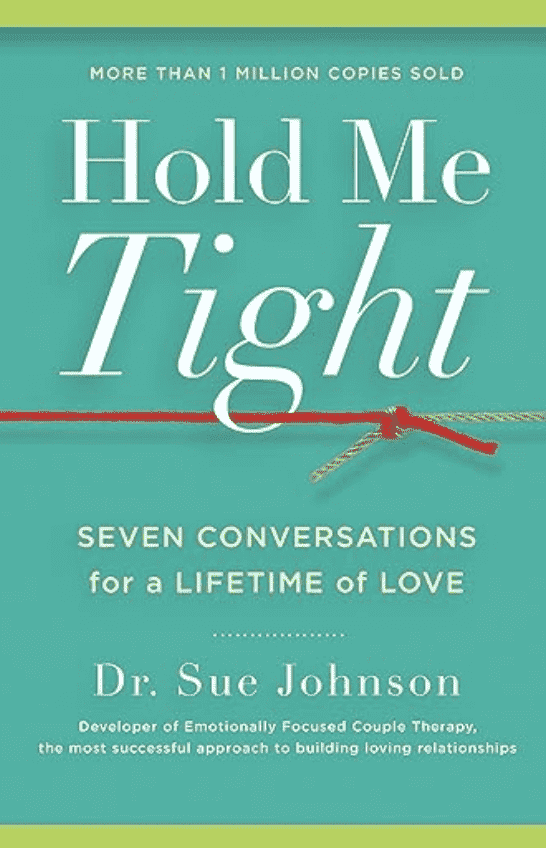
1. Hold Me Tight + Hold Me Tight Workbook
As an emotion-focused therapist, Hold Me Tight is in fact always the first book I recommend for couples looking for structure to guide important conversations.
Dr. Sue Johnson is the creator of Emotionally-Focused Therapy, regarded as the most effective model for couples treatment, particularly by focusing on root-cause of distress rather than symptom-management.
In Hold Me Tight, Dr. Johnson outlines seven conversations partners can engage in to uncover wounds hidden underneath their conflict and also grow closer to each other. While the book provides an overview of the context and attachment theory, the Hold Me Tight Workbook, also by Dr. Johnson, focuses on prompts and exercises to guide these conversations.
2. Secure Love
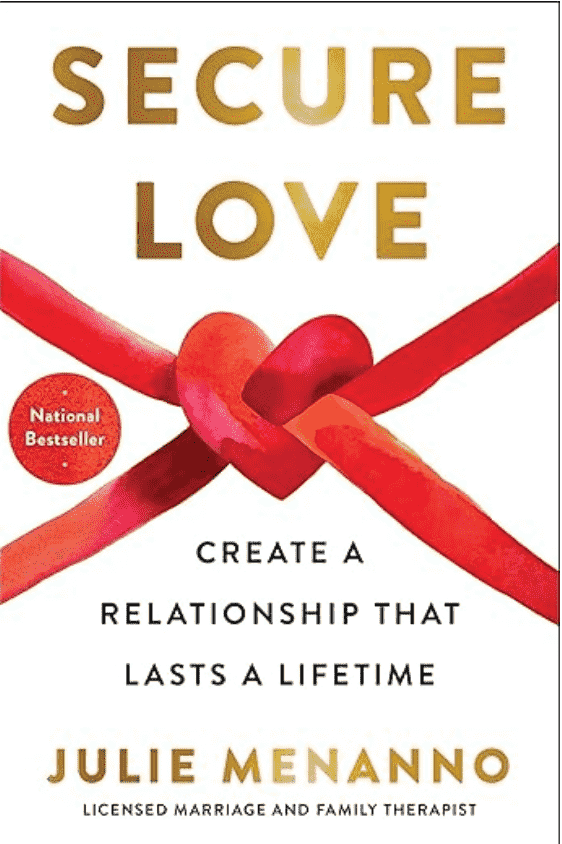
As a practitioner of Emotion Focused Therapy, Menanno takes a structured yet absorbable approach to relationships in Secure Love.
For a long time, there has been debate in the field of psychotherapy about whether relationship issues are intrapsychic (focusing only on the mental health of individuals) or systemic (focusing only on the interactions at play) issues.
The truth is, it’s both. Secure Love walks through how problems form, how attachment styles show up in individuals, and how what’s happening inside individuals shapes what happens between them in their relationships.
3. I Didn’t Sign Up For This
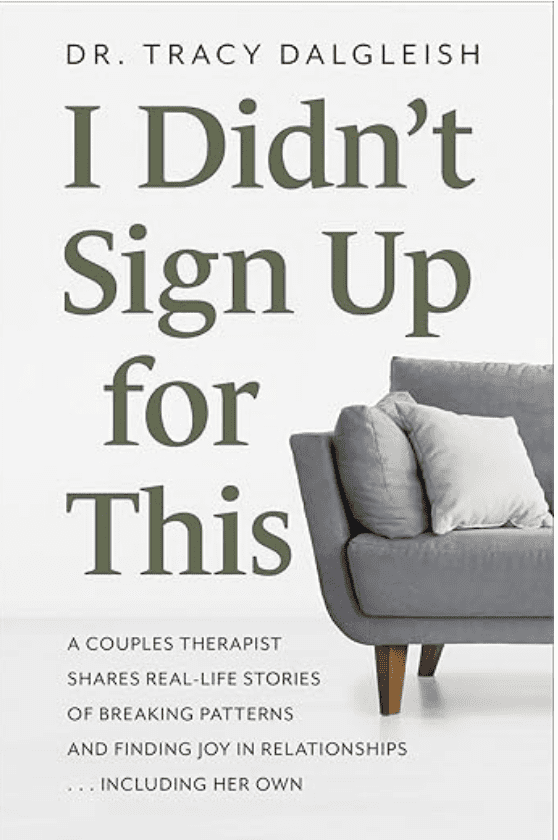
I Didn’t Sign Up For This takes an approach similar to Maybe You Should Talk to Someone by structuring the book around a selection of client stories, including the author herself.
However, Dr. Dalgleish’s story focuses on working with couples rather than individuals in therapy. She weaves their stories into the theories of attachment and emotion-focused therapy, making the book value-packed yet easy to read.
She also gets vulnerable by sharing some challenges in her own relationship (yes, even us couples therapists have them!) which I love.
4. Love Sense
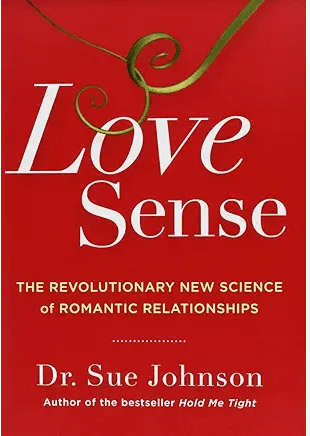
Another Sue Johnson book, Love Sense debunks some of the misconceptions about love, relationships, and emotions. In addition, she outlines some of the digestible takeaways of the fascinating research that supports the need for healthy connections with the people who matter to us.
Plus, Dr. Johnson normalizes the challenges in relationships, helping us understand that we are not crazy if we find ourselves stuck in bad patterns with our partners. She helps us understand why the bonds with partners and close others are not just nice-to-have, but encoded in our brains as survival mechanisms through generations of evolution.
Making sense of love and relationships can take the pressure off of partners and give them safety to start to exploring ways they can finally heal.
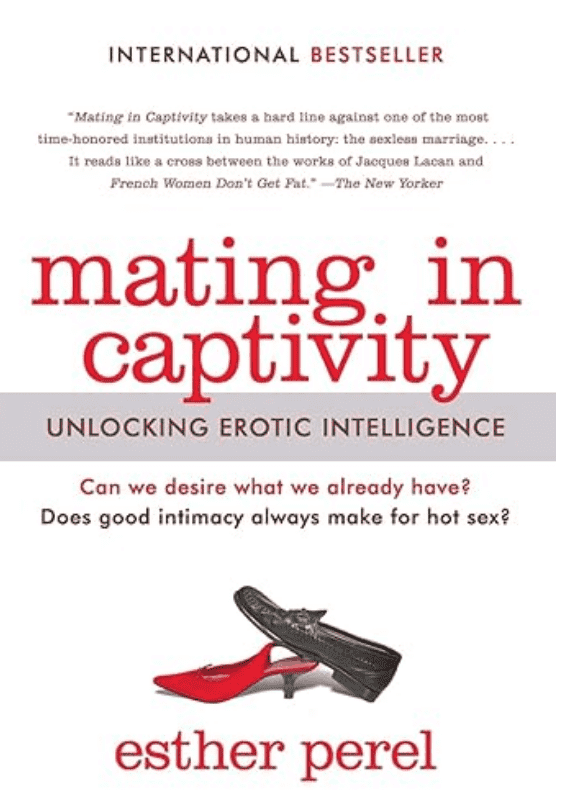
5. Mating in Captivity
The books mentioned above incorporate sexual dynamics into the overarching relationship concepts. However, in Mating in Captivity, Esther Perel takes a more focused approach to addressing the challenge of staying sexually connected to your partner over time.
Perel structures this book on different areas of sexual struggles. She references her experience as a seasoned therapist working with couples on these issues.
My favorite aspect of this book is the way it normalizes the difficulties and paradoxes in long-term relationships. Think about maintaining the essence of excitement and safety, mystery and stability, and connection and independence.
While this book focuses less on solutions and tips than the Emotion Focused Therapy recommendations above, Perel dives into some taboo topics that can give couples validation and hope.
Couples Therapy
Getting familiar with our selves and learning about the ways patterns form through the best couples therapy books is a huge asset to our relationships. I am confident that reading any of these books will provide you with insights about yourself and your partner that will allow you to see and respond to situations in a new way.
Yet, sometimes more focused 1×1 support in an experience with a therapist can help push you over the hump where you find yourself stuck. Couples therapy offers you the chance to put these concepts into action with a professional who can help conceptualize both of your experiences.
join our mailing list
Periodic subscriber-only, bite-sized tips to support you in mental and relational wellness, delivered to your inbox.

Comments +